Jams, jellies, and preserves: they are everyday essentials in professional kitchens. But what really sets them apart? The choice among the three can change everything from how crisp your pastry stays to how glossy your glaze looks or how balanced your sauce tastes.
Taking a moment to revisit these classic fruit spreads not only deepens your understanding of ingredients but it also helps spark new ideas, refine recipes, and elevate the way you use fruit in your dishes.
Jelly: Smooth and Refined
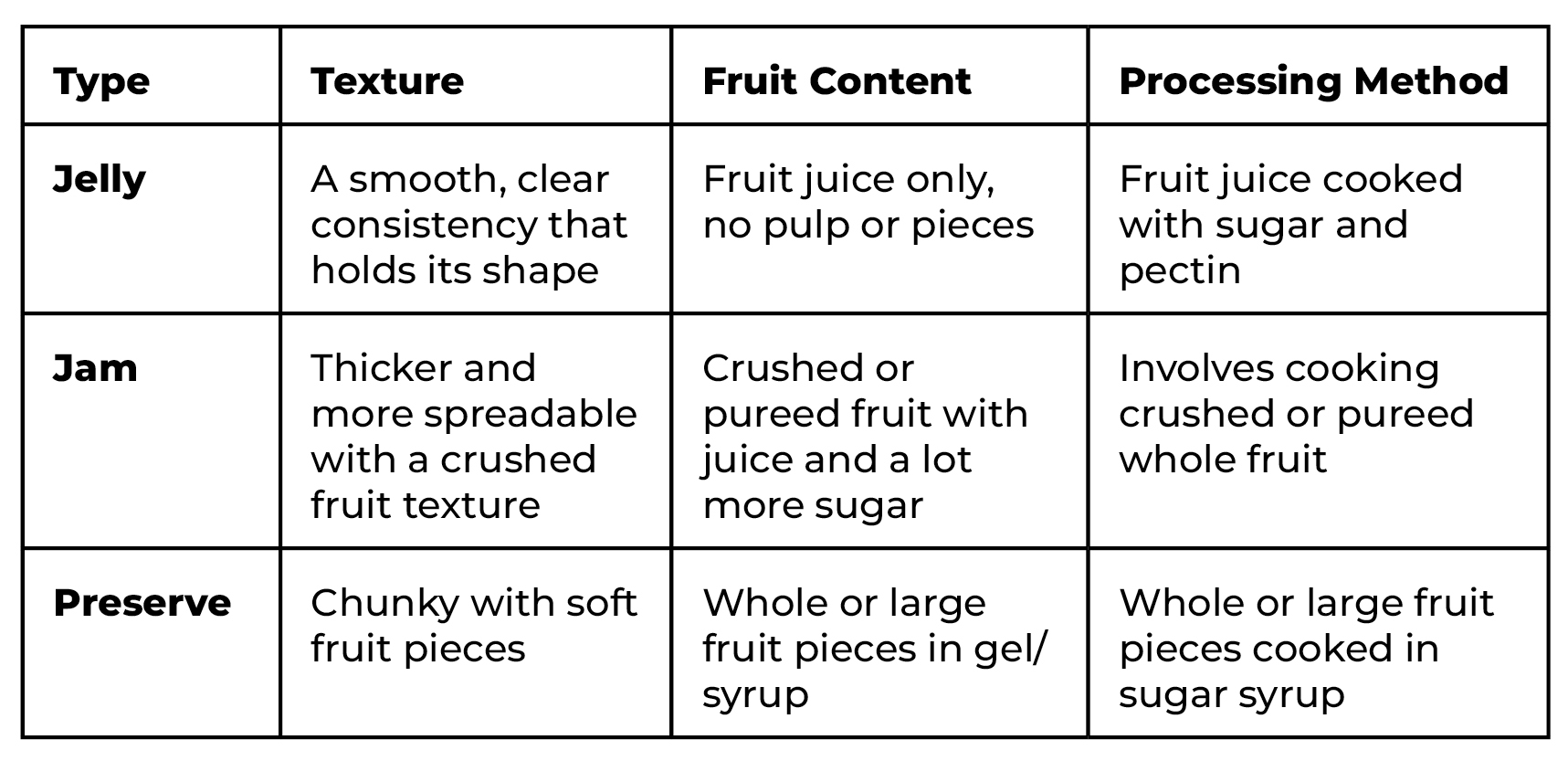
Jelly is the most refined of the three fruit spreads. It is made using fruit juice rather than whole fruit, cooked with sugar and pectin until it sets into a smooth, firm gel. The result is a clear, glossy spread that holds its shape beautifully but still spreads with ease.
Because of its clarity and clean texture, jelly is perfect for:
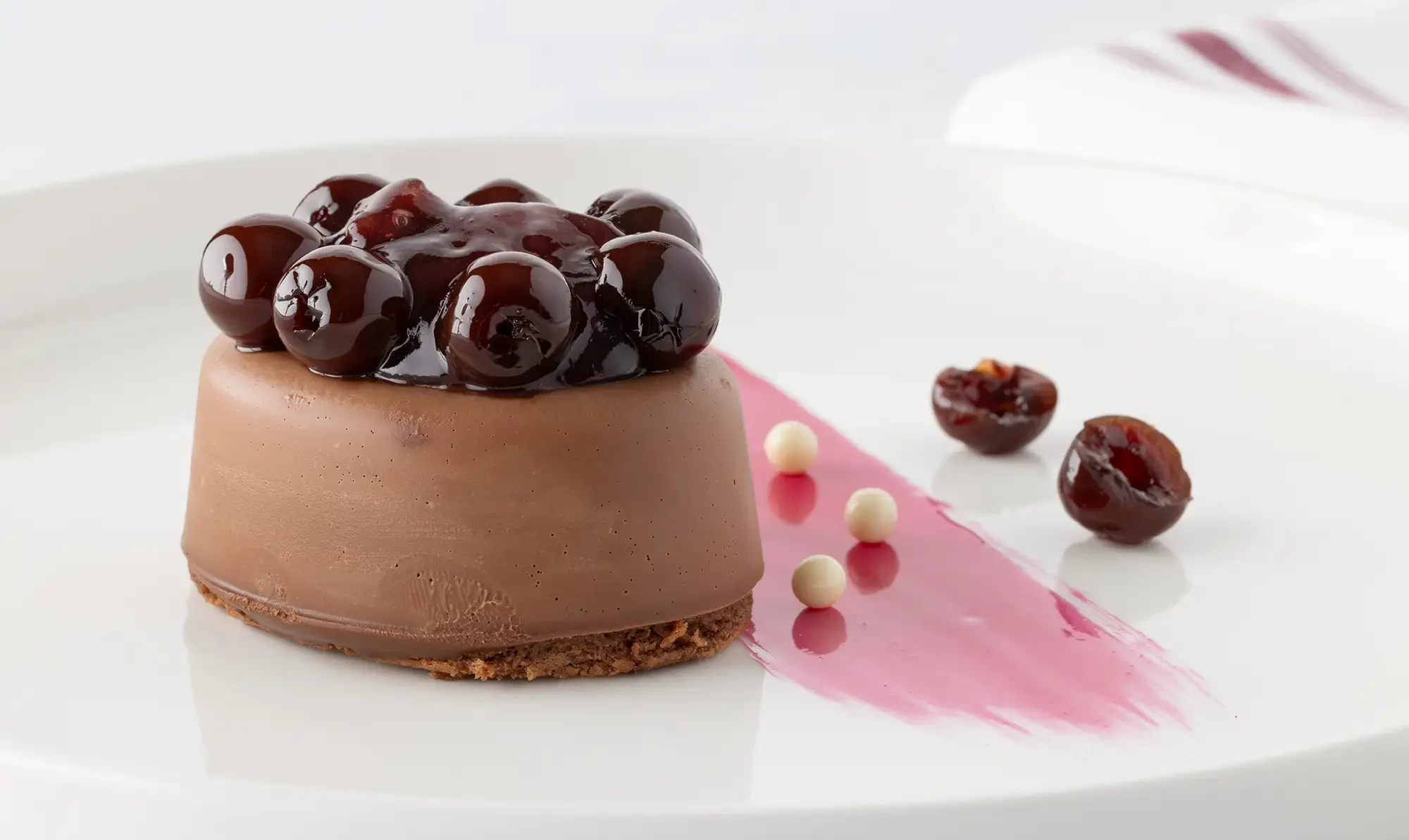
- Glazing pastries and tarts for a professional finish
- Creating clear dessert layers that add shine and definition
- Adding elegance to plated desserts or cheese pairings
Classic flavors include grape, raspberry, and cherry, but chefs often experiment with herbal, floral, and even wine-based jellies for a creative twist!
Jam: Thick, Flavorful, and Versatile
Jam is thicker and more fruit-forward than jelly, made with crushed or puréed fruit cooked with sugar and pectin. Its texture is soft and spreadable, and visually it is more opaque, often containing visible fruit bits that bring a more natural, rustic look.
Jam’s bold flavor (versus jelly) and flexible texture make it a staple in professional kitchens. It’s ideal for:
- Filling pastries, cakes, and cookies
- Flavoring sauces and glazes
- Pairing with cheeses or charcuterie
- Mixing into cocktails for depth and body
- Spreading on toast or biscuits
Because it combines fruit pulp with natural sweetness and acidity, jam works beautifully in both sweet and savory applications.

Preserves: Rustic and Fruit-Forward
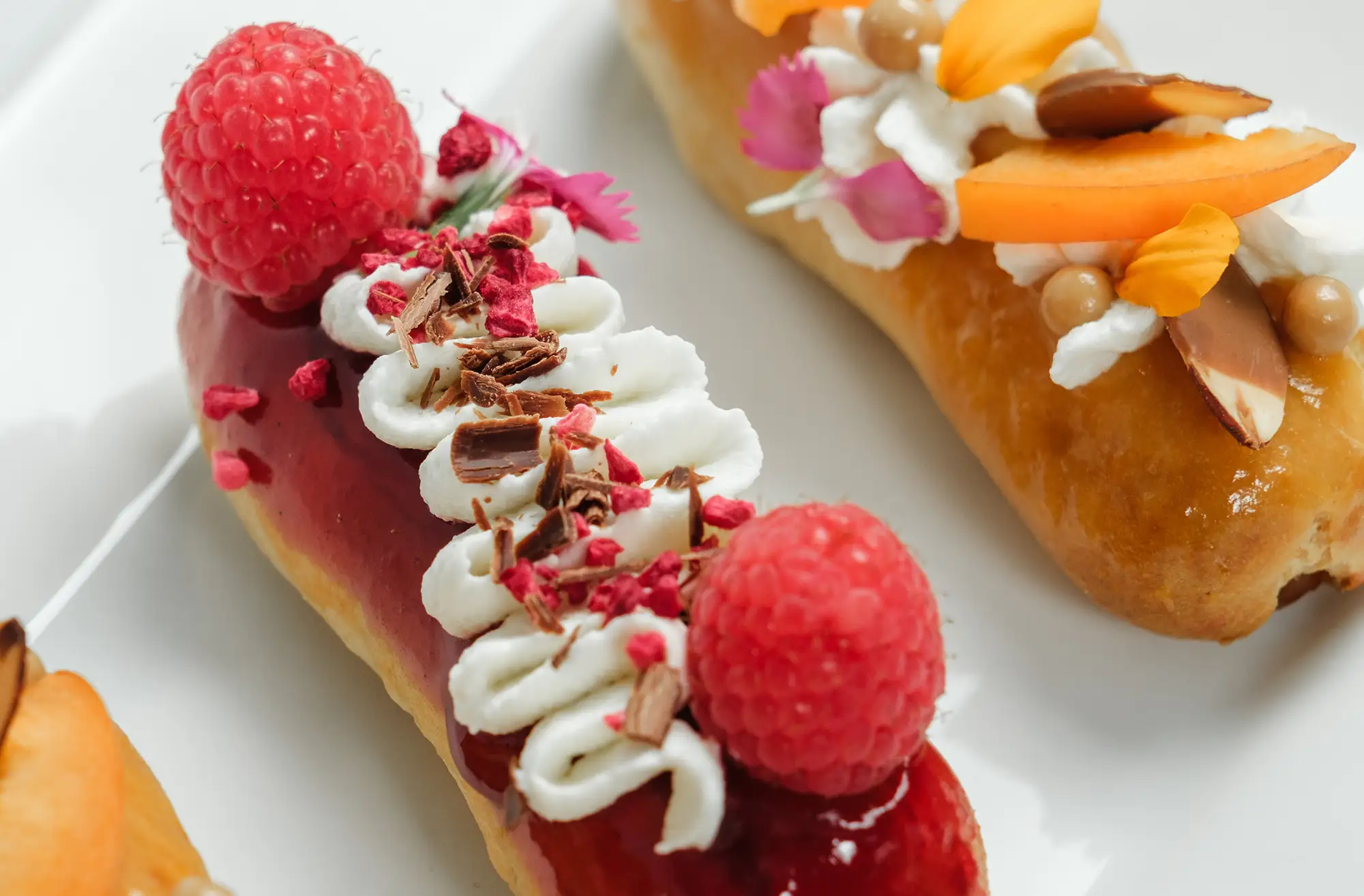
Preserves are all about showcasing real fruit. Made with whole or large pieces of fruit cooked gently in syrup, they retain their shape, texture, and vibrant flavor. Notably, they are made entirely from fruit, without the addition of refined sugars or artificial sweeteners. The result is a chunky, spoon-able spread that feels closest to fresh fruit.
They offer a cleaner label and a more natural, true-to-fruit taste. Preserves are best used when you want:
- Visible fruit pieces in your presentation
- Artisanal toppings for breakfast or dessert dishes
- A fresh fruit experience with longer shelf stability
So What’s the Difference?
All three (jam, jelly, and preserves) start with the same foundation: fruit, sugar, and pectin. The key difference lies in how the fruit is prepared and how the final texture turns out:
Choosing the Right One for the Job
Each fruit spread brings something different to your kitchen:
- Jelly delivers shine, structure, and visual polish.
- Jam offers versatility and concentrated flavor.
- Preserves highlight authenticity and texture.
By understanding how each behaves, chefs can choose the right product for every culinary purpose — from baking and glazing to mixology and plating.
Unlock the Full Potential of Your Culinary Creations with Andros Professional
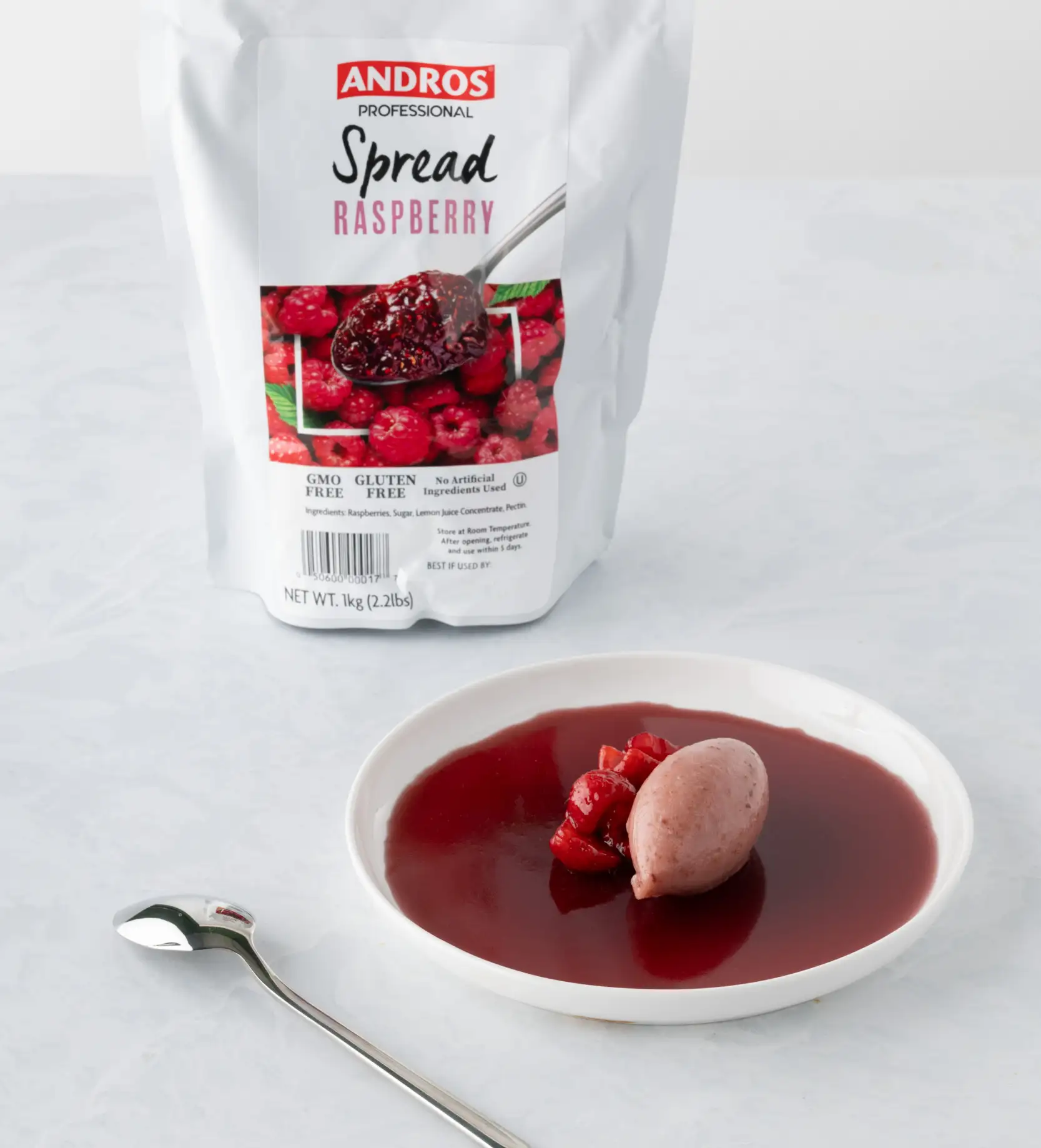
Andros Professional offers a wide range of high-quality fruit solutions designed to make the lives and creations of pastry chefs, bakers, chefs, and mixologists easier and packed with natural flavor.
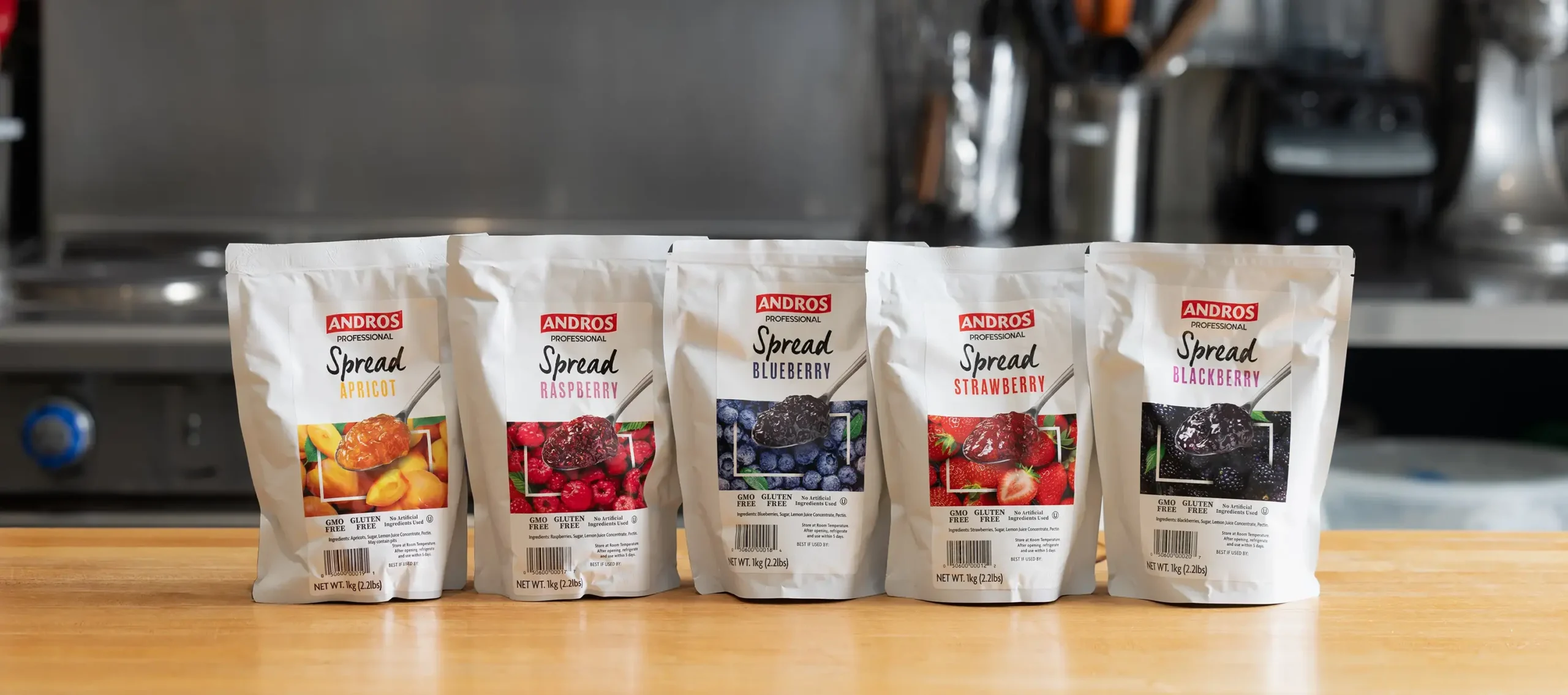
Notably, our fruit spreads come in five delicious flavors, perfect for both breakfast service and creative applications.
If you’re curious about how to use these ingredients more effectively in your kitchen, make sure to visit our collection of recipes for a few ideas.